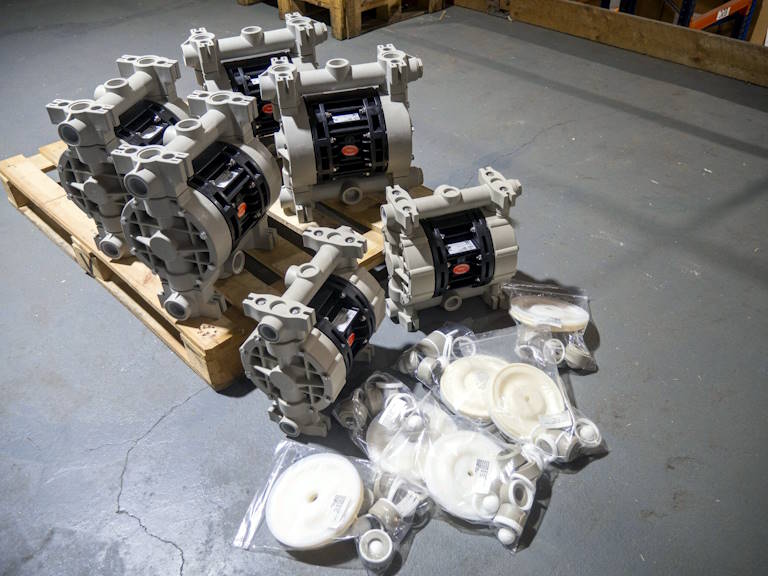
Pneumatic diaphragm pumps are among the most widely used pumps in the chemical, food, pharmaceutical, and water treatment industries. Their corrosion-resistant design, ability to pump viscous liquids, and suitability for use in potentially explosive atmospheres make these pumps attractive to many industries.
In international trade, determining the HS code for these pumps is crucial for import and export. This article examines the HS codes for pneumatic diaphragm pumps in various countries and discusses key points for expediting customs clearance for these products.
What is the TN VED code?
The Harmonised System (HS) is a global standard for classifying goods, developed by the World Customs Organization (WCO) . The system consists of 6-digit codes, which countries can extend to 8 or 10 digits to provide more detailed information.
Air-operated diaphragm pumps are generally classified under Chapter 84 (Machinery and mechanical equipment), but have different codes depending on the type and intended use.
Customs tariff numbers for pneumatic diaphragm pumps by country
1. Iranian Customs Tariff Code
In Iran, pneumatic diaphragm pumps are usually marked with the following symbols:
-
84138090 : Metering pumps (including air-operated diaphragm pumps)
-
84135000 : Piston pumps and diaphragm pumps (in some cases)
2. Chinese customs tariff code
China, one of the largest manufacturers of this type of pump, uses the following symbols:
-
84135000 : Piston and diaphragm pumps ( including air-operated pumps)
3- US Customs Tariff Code (HTS Code)
In the United States, the customs system is based on the Harmonised Tariff (HTS) , and the codes for air-operated diaphragm pumps are generally as follows:
-
8413500040 : Air diaphragm pump
4- Customs Tariff Code of the European Union (TARIC)
European countries use the TARIC system, and the codes for these pumps are generally as follows:
-
84135000 : Piston and diaphragm pumps (including air-operated pumps)
5. Indian Customs Law
In India, these pumps are classified under the following codes:
-
84135010 : Diaphragm pumps (including air-operated pumps)
6. Turkish Customs Law
The HS system is also used in Turkey, and the codes for these pumps are as follows:
-
84135000 : Pneumatic diaphragm pump
7. Law on the Customs Tariff of Russia
In Russia, such pumps are usually marked with the following symbols:
-
8413500009 : Diaphragm pumps (pneumatic and hydraulic)
Why is the correct customs tariff code important?
-
Pay your taxes correctly : Incorrect codes can lead to fines or the confiscation of your cargo.
-
Speeding up customs clearance of goods : Using the correct code can speed up the customs process.
-
To avoid legal problems : In some countries, high fines are imposed for the false declaration of goods.
How to determine the tariff code of a pneumatic diaphragm pump
To find the exact code, you should consider the following factors:
-
Pump type : pneumatic, hydraulic or electric
-
Membrane material : PTFE, rubber or special materials
-
Application areas of the pumps : chemical, food and pharmaceutical industries .
If in doubt, you can contact the customs website of your destination country or a trade advisor .
The difference between the tariff code of a diaphragm pump and other pumps
-
Centrifugal pump (841370) : for high performance
-
Metering pump (841380) : for the precise injection of chemicals
-
Pneumatic diaphragm pump (841350) : Suitable for viscous liquids and corrosive substances.
 Finally
In most countries, the customs tariff code for pneumatic diaphragm pumps is 841350 ; however, the subsequent digits may vary depending on the country. To avoid customs issues, always use the correct code and consult a customs specialist if necessary.
 Final piece of advice:
-
Please confirm the customs tariff number with the customs authority of the destination country before shipping your goods.
-
Please consult a customs advisor to ensure the correctness of the code.
We hope you find this article helpful. For further information, please contact our international trade experts.