What is a food grade pump?
A food grade pump means pumping liquids that must be consumed in some way. They are made entirely or partially of food grade materials, are often easy to clean, and have no hidden areas where products can stick and lead to bacterial growth and contamination. A food grade pump may be fully EHEDG certified or have approved sealing materials.
When is a pump needed?
Food grade pumps are needed when pumping food such as soda, milk, soup and sauce. In food production, it is very important that the process is and remains clean without bacteria. The special materials and design of the food pump help ensure a hygienic process.
Requirements for food grade pumps
Design and material selection are critical to ensure the food pump is hygienic enough to contact foods and beverages. It may sound complicated, but there are several standards and certifications to ensure you buy the right feeding pump. Standards and certifications ensure that the pump and its materials meet strict hygiene requirements.
Pump for food in sanitary material
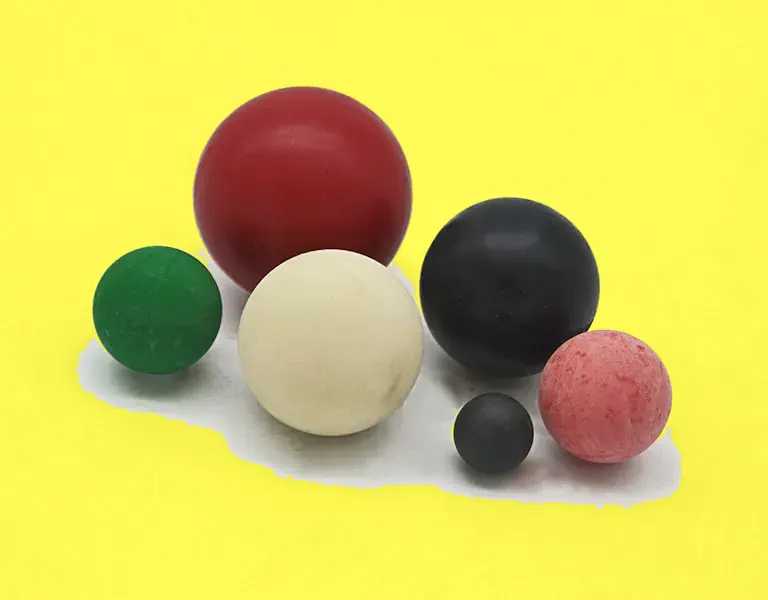
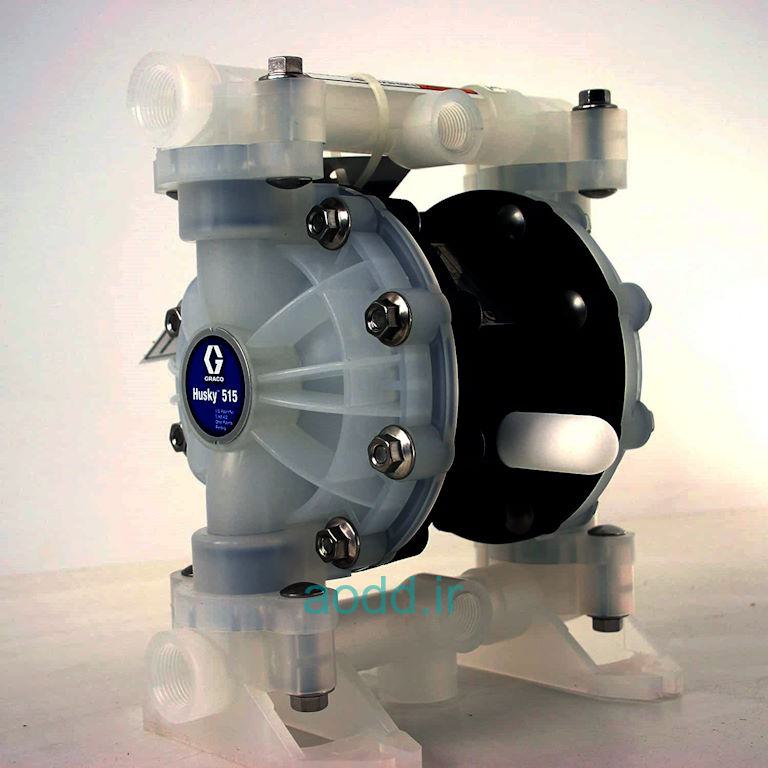
In a pump, not only the seal in contact with the liquid must be food grade, but also the entire pump must be made of hygienic materials. Further, a food grade pump is made of polished 316L stainless steel, both externally and internally. In a positive displacement pump such as a double-diaphragm pump, all components in contact with the liquid – diaphragms and ball check valves – are also made of food grade materials such as SS, PTFE, EPDM-FDA or NBR-FDA.
Cleaning pumps that pump food
Another important element for a food pump is the cleaning process. The material surfaces of a food pump are usually polished, which makes them easier to clean. The pump must also be built without any hidden places where bacterial growth can occur, which can cause contamination and stop production.
A food pump should be easy to disassemble and reassemble and facilitate drainage and inspection. These pumps are also often built for cleaning in place (CIP) and sterilization in place (SIP), making cleaning more efficient.
Certification for food industry pumps
EHEDG-FOOD GRADE pump
EHEDG (European Hygienic Engineering and Design Group) works to promote hygiene, improve food safety and increase cleaning efficiency and effectiveness of food production and packaging. In addition to practical guidelines, testing methods, certification and training, EHEDG provides a platform for the global food industry. A pump certified by EHEDG has undergone extensive tests on pump design with regard to cleaning.
The EHEDG seal ensures that you get a food pump with a hygienic design.
FDA
A certificate from the US Food and Drug Administration (FDA) confirms that products that are consumed or come into close contact with humans have been treated with hygienic substances. FDA compliance refers to the pump’s material selection from gaskets, seals and plastic parts, while EHEDG certification ensures that the entire pump has been approved and tested for use in a sanitary environment. So EHEDG is a higher standard than FDA.
A pump may have FDA approved seals while the rest of the pump design is not food grade, meaning the pump should not be used in certain food production applications. Therefore, it is important to be aware of the material selection and pump design before starting to use the pump in your process.
In 10204
The European standard EN 10204 specifies various inspection documents that must accompany the delivery of metal goods. You get a checklist and traceability of the materials used in the equipment. 2.1 is a general declaration of compliance with material specifications, while 3.1 provides specific traceability data throughout the steel plant (usually only for metals in contact with the product).
EC 1935/2004
These EU regulations apply to all materials that come into contact with food, such as metal, plastic and rubber materials. These regulations require that these materials are safe, labeled with the glass and fork symbol, traceable throughout the production chain (according to EN 10204 above) and manufactured in accordance with Good Manufacturing Practices (GMP).
CE
CE is probably the mark that most people recognize. A product classified as machinery and bearing the CE mark complies with the essential health and safety requirements of the Machinery Directive 2006/42/EEC.
USP VI
The United States Drug Convention (USP) class I through VI defines how a plastic or rubber material can be exposed to human tissue. Class VI requires the most rigorous testing and such materials are safe enough to be used in implants.
3-thousand
3-A is another certification for machine equipment for sanitary applications, but it is not very common in Europe. 3-A certification specifies the design and manufacturing criteria of the equipment.
We will guide you to the right food pump
As you can see from our summary, there are several bodies, standards and certifications that ensure that pumped food and drink is handled safely. At Tapflo, we have a lot of experience in sanitary pumping and are happy to guide you to the right feeding pump for your application. Do not hesitate to contact us and we will tell you more!