In today’s fast-paced manufacturing environment, pneumatic pumps have become indispensable tools for boosting productivity and streamlining operations. These versatile devices harness the power of compressed air to move fluids and materials with precision and reliability. Whether you’re a seasoned engineer or a production manager looking to optimize your processes, understanding how to effectively utilize pneumatic pumps can give your operation a significant edge.
The Power Behind the Process
At their core, pneumatic pumps operate on a beautifully simple principle: they use compressed air to create mechanical motion. This motion is then harnessed to move liquids, powders, or other materials through a system. The beauty of this approach lies in its efficiency and adaptability.
Imagine a symphony of pistons and valves, orchestrated by the invisible force of air, working in perfect harmony to keep your production line humming.
Unlocking Productivity Gains
One of the most compelling reasons to integrate pneumatic pumps into your manufacturing processes is their potential to dramatically increase productivity. Here’s how:
- Speed and Precision: Pneumatic pumps can achieve rapid cycling rates with pinpoint accuracy, allowing for faster production cycles without sacrificing quality.
- Reduced Downtime: With fewer moving parts than many alternative pumping systems, pneumatic pumps offer enhanced reliability and require less maintenance.
- Flexibility: These pumps can be quickly adjusted to handle different materials or flow rates, making them ideal for versatile production environments.
- Energy Efficiency: When properly configured, pneumatic pumps can operate with remarkable energy efficiency, helping to reduce overall operating costs.


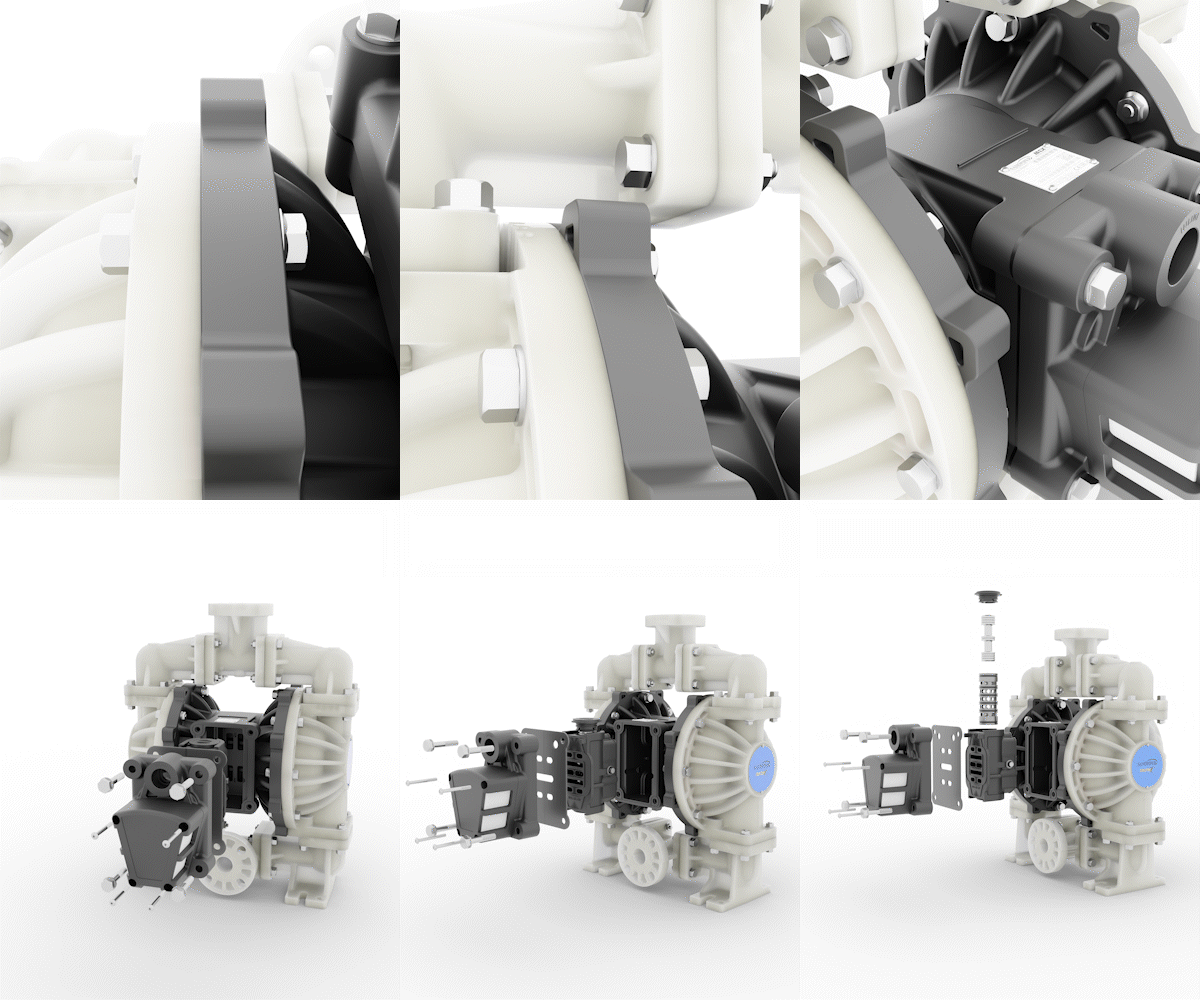


Mastering the Art of Pneumatic Pump Usage
To truly harness the power of pneumatic pumps, follow these key steps:
- Proper Sizing: Ensure your pump is correctly sized for your specific application. An undersized pump will struggle, while an oversized one wastes energy.
- Air Supply Management: Maintain a clean, dry compressed air supply. Moisture and contaminants can significantly impact pump performance and longevity.
- Regular Maintenance: Implement a proactive maintenance schedule. This includes checking seals, lubricating moving parts, and inspecting air lines for leaks.
- Optimize Air Pressure: Fine-tune the air pressure to match your application requirements. Too much pressure wastes energy, while too little reduces efficiency.
- Monitor Performance: Utilize modern sensors and data logging to track pump performance over time, allowing for predictive maintenance and continuous optimization.
Overcoming the Air Supply Challenge
One of the primary considerations when implementing pneumatic pumps is ensuring a reliable supply of compressed air. Here are some strategies to address this challenge:
- Invest in Quality Compressors: Choose air compressors that can deliver the volume and pressure required by your pneumatic system.
- Implement Air Treatment: Install filters, dryers, and lubricators to ensure clean, dry air reaches your pumps.
- Design Efficient Piping: Minimize pressure drops by using appropriately sized air lines and avoiding unnecessary bends or restrictions.
- Consider Backup Systems: For critical applications, having redundant air supply systems can prevent costly downtime.


Pushing the Boundaries: Advanced Applications
As manufacturing technologies evolve, so too do the applications for pneumatic pumps. Some cutting-edge uses include:
- Precision Dispensing: In electronics manufacturing, pneumatic pumps are used to apply microscopic amounts of adhesives or lubricants with unparallele