Understanding the importance of air lubrication at the inlet of diaphragm pumps is vital for both engineers working in the field and for various industries. Let’s go into the subject in some detail.
Introduction
Diaphragm pumps consist of a combination of a diaphragm, inlet and outlet valves, and a compressed air mechanism to move the diaphragm. The role of the surroundings, especially air lubrication, in improving the performance and reducing wear of the internal parts of the pump is obvious. The lack of proper lubrication not only reduces efficiency and increases energy consumption, but also leads to premature failure.
Performance process
- Suction phase: Compressed air is directed to one side of the diaphragm, causing it to move, which draws liquid into the pump.
- Exudation phase: As the diaphragm moves, the fluid is directed towards the outlet.
The more moisture or contaminants the air contains, the greater the chance of corrosion and wear inside the pump. This is where air lubrication comes into play.
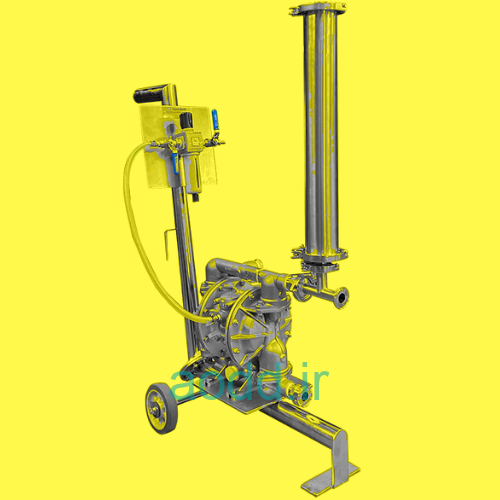
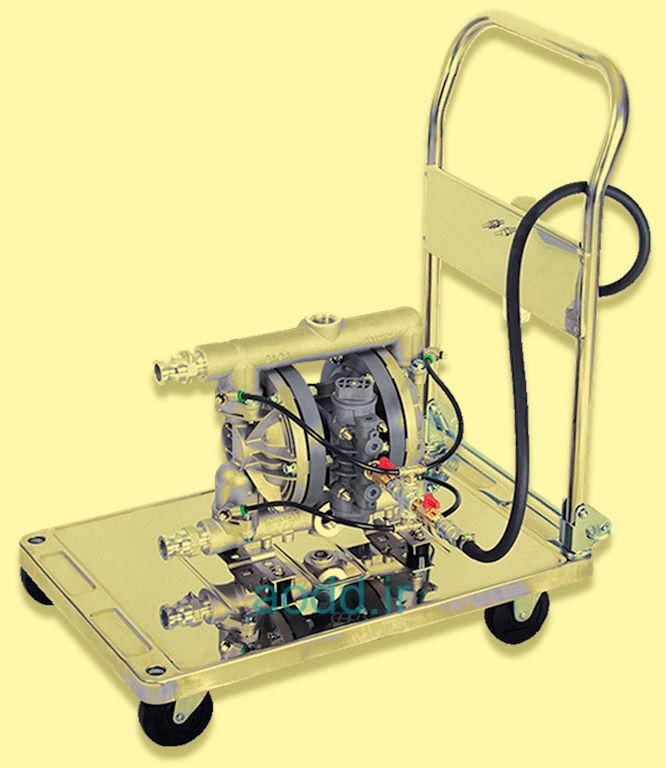
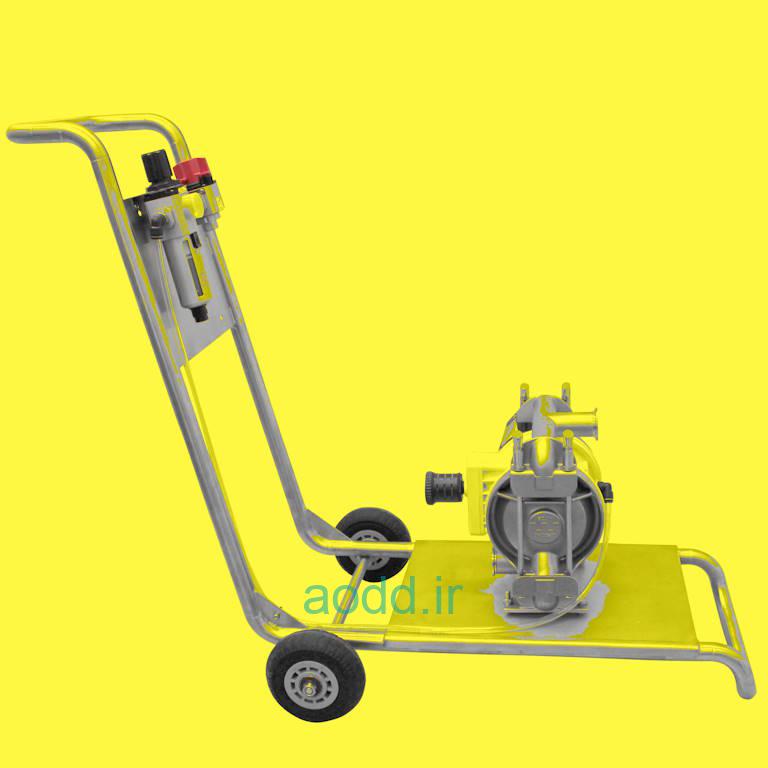
The importance of air lubrication
- Reduce wear and tear: Proper lubrication can extend the life of internal components such as diaphragms, valves, and air guidance mechanisms.
- Increased efficiency: Reducing internal friction reduces the initial force required to drive the pump, resulting in less energy consumption.
- Prevent corrosion: Lubrication can reduce the rate of corrosion caused by rust by reducing moisture ingress.
- Noise and vibration reduction: Systems without proper lubrication usually produce more noise and vibration, which can be disruptive in industrial environments.
Common methods
- Using dehumidifier filters
- Injecting lubricant into the compressed air system
- Periodic inspection and maintenance to ensure proper lubrication
- Choosing high-quality lubricants
Conclusion
Air lubrication at the inlet of diaphragm pumps can help reduce wear, increase efficiency, and prevent unwanted breakdowns by improving overall performance. Especially in sensitive industries, this can mean cost savings and reduced production downtime.
This article provides an overview of the benefits and common methods, and can be a spark for further detail in more specialized sources and technical advice.
I would be happy in advance to receive your feedback and any additional information that can be added to the article!