Understanding how pneumatic diaphragm pumps are used in the transfer and pumping of phosphonates is a topic of professional and specialist importance in many modern and contemporary industries. Here is a complete article on the subject.
Introduction
Phosphonates are a type of chemical used in various industries due to their anti-corrosive and anti-scale properties, including industrial coolants, water treatment, and detergent production. The transfer and pumping of these materials requires great care, as their chemical properties can cause wear and corrosion in conventional pumping systems. Pneumatic diaphragm pumps are an ideal choice for these applications due to their unique characteristics.
Structure and function of pneumatic diaphragm pump
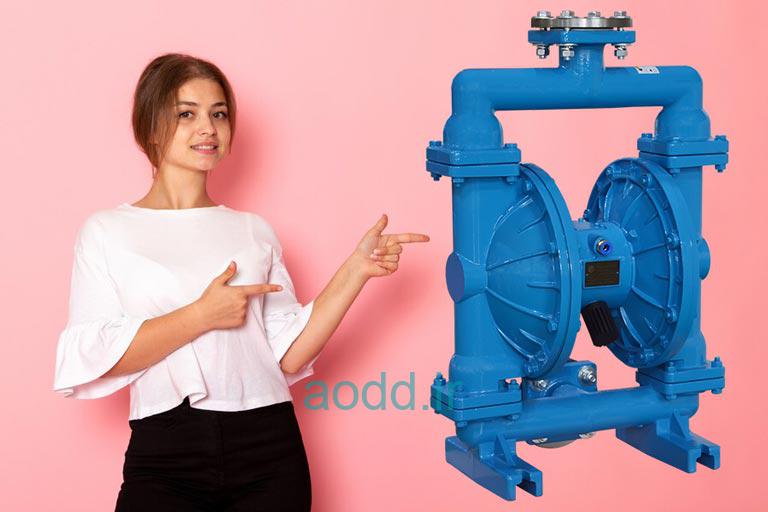
Pneumatic diaphragm pumps consist of two main chambers separated by two flexible diaphragms. These diaphragms are driven by an air fluid. Air pressure applied to one chamber moves the diaphragm, thereby forcing the fluid into the second chamber. This cycle is repeated, resulting in continuous pumping of the fluid.
Advantages of using a pneumatic diaphragm pump for phosphonates
- High chemical resistance: The diaphragm and internal parts of these pumps can be manufactured from corrosion-resistant materials, which reduces breakdowns and increases their useful life.
- Reducing the risk of leaks and contamination: Using closed systems and fully insulated enclosures reduces the risk of fluid leaks and helps maintain the safety of the work environment.
- Pressure and flow flexibility: Pneumatic diaphragm pumps are able to easily adjust the flow and pumping pressure by changing the inlet air pressure. This feature is especially useful for sensitive fluids such as phosphonates.
- Ability to transport viscous fluids: These pumps can effectively transport fluids of different viscosities, even fluids that are difficult to pump due to their high concentration.
- No need for electric motors: This feature reduces energy costs and the need for more complex safety systems. Also, the absence of rotating parts in pneumatic pumps minimizes the risk of sparks and ignition in sensitive environments.

Applications in various industries
- Water treatment: In industrial water treatment processes, phosphonates are used as anti-fouling and anti-corrosion agents. Pneumatic diaphragm pumps are suitable tools for transferring and injecting phosphonates into water tanks due to their insensitivity to the strong chemical properties of these materials and their ability to adjust the flow rate.
- Detergent industries: In the field of detergent production, phosphonates are used as strengthening agents. Pneumatic diaphragm pumps, due to their high accuracy in measuring and injecting materials, ensure the prevention of waste and the creation of a uniform mixture.
- Oil and Gas Applications: In the oil and gas industries, phosphonates are used to prevent scale formation in oil and gas pipelines. Pneumatic diaphragm pumps are a good choice for these applications because of their high pressure tolerance and resistance to harsh chemical compounds.
- Food and pharmaceutical industries: In these industries, phosphonates are also used as antimicrobial and anti-fouling agents to maintain the quality and health of products. Pneumatic diaphragm pumps with hygienic structures and easy-to-clean capabilities play an important role in improving productivity and production quality.
Maintenance and care aspects
To maintain the efficiency and service life of pneumatic diaphragm pumps, regular maintenance and care are essential. The following should be considered:
- Periodic diaphragm inspection: Replace diaphragms according to manufacturer’s instructions.
- Inlet air purification: Use appropriate filters to prevent contaminated particles from entering the pump.
- Regular lubrication: Using appropriate lubricants to reduce wear and extend the life of internal parts.
- Air pressure and flow control: Precise adjustment of air pressure to prevent damage to pump components.
Conclusion
The use of pneumatic diaphragm pumps for the transfer and pumping of phosphonates is of great importance due to their technical features and numerous advantages. With their flexible capabilities and wide applications, these pumps not only help increase productivity but also reduce maintenance costs and breakdowns.
In general, choosing a pneumatic diaphragm pump is the best option for industrial environments that require high accuracy and greater safety. This article attempts to demonstrate its importance in various industries by comprehensively reviewing the advantages and applications of this type of pump.
I would appreciate your feedback on this article and any points of view that could help improve the content.