Pneumatic diaphragm pumps (PMN) are one of the most common types of industrial pumps in the chemical, food, pharmaceutical, mining and wastewater industries. Due to their self-priming, ability to pump corrosive, viscous and solid liquids, no power consumption and ease of operation in explosive atmospheres, they are popular in sensitive process environments Processes.
However, the optimal performance and acceptable service life of these pumps largely depend on quality control during the production, assembly and final testing phases. This article details the principles and basic stages of quality control of pneumatic diaphragm pumps.
The Importance of Quality Control of Diaphragm Pumps
Quality control ensures that the final pump:
-
Proper assembly.
-
There should be no leakage.
-
Operate at design pressure and flow.
-
The materials used must be compatible with the target fluid.
-
I wish you a wonderful and useful life.
-
Ensures safe and stable operation.
Without effective quality control, pumps can experience leaks, diaphragm failure, rapid wear or loss of efficiency during operation.
Main Stages of Quality Control of Pneumatic Diaphragm Pumps
1. Raw material control
discovery:
-
It must be made of a material that is resistant to this type of liquid (PTFE, santoprene, Viton, etc.).
-
Tensile test, hardness test, and thickness uniformity test are all quality requirements.
Pump casing:
-
Please check the material (aluminum, stainless steel, PP, PVDF, etc.) against the factory certificate.
-
Chemical resistance tests and body dimensional control.
Check valve and nut:
-
Material inspection, sealing, and rapid testing for unhindered opening and closing.
-
Check the tire pressure and nipples.
2. Quality control during assembly
Even the slightest mistake during the installation of the pump can lead to leaks or a decrease in its performance. Therefore:
-
All connections must be tightened with the appropriate tightening torque (a torque meter is recommended).
-
The diaphragm must be properly installed and free of wrinkles.
-
Airways, air distribution valves and chambers must be completely clean and free of contaminants.
-
All screws must be installed in the correct position and checked for length and threads.
3. Performance Tests
Air Leakage Test
-
Check the air inlet path using normal air pressure (e.g. 6 bar).
-
Any leaks, pressure drops, or noises that are not resolved quickly should be investigated.
Liquid Leakage Test
-
Checking the operation of the valve and the tightness of the diaphragm is carried out by filling the pump with water or standard liquid.
-
Welds, joints and joints are carefully checked.
Debye-Hertz test
-
Check the output flow rate of the pump at different pressures and compare it with the design performance curve.
-
If the pump does not meet the specifications, the diaphragm and valves should be checked.
Stroke Rate Test (Stroke Test)
-
Check the RPM at the specified air pressure.
-
Unusual noises, excessive vibration, or sudden slowing down are signs that something is wrong.
4. Life Cycle Testing
Some reputable manufacturers test their products for durability:
-
The pump can run continuously for up to 10 million cycles.
-
Check for diaphragm wear, valve health, and possible leaks and cracks.
-
This test is necessary to improve the design and extend the life of the pump.
5. Visual and final quality control
Before filling the pump, the following should be checked:
-
The quality of the painting or finishing of the vehicle body.
-
Install the technical label correctly (showing the model, serial number, operating pressure, housing material, diaphragm, and connections).
-
Clean surfaces and joints of grease and dirt.
-
Issuance of the final quality control certificate (final inspection report).
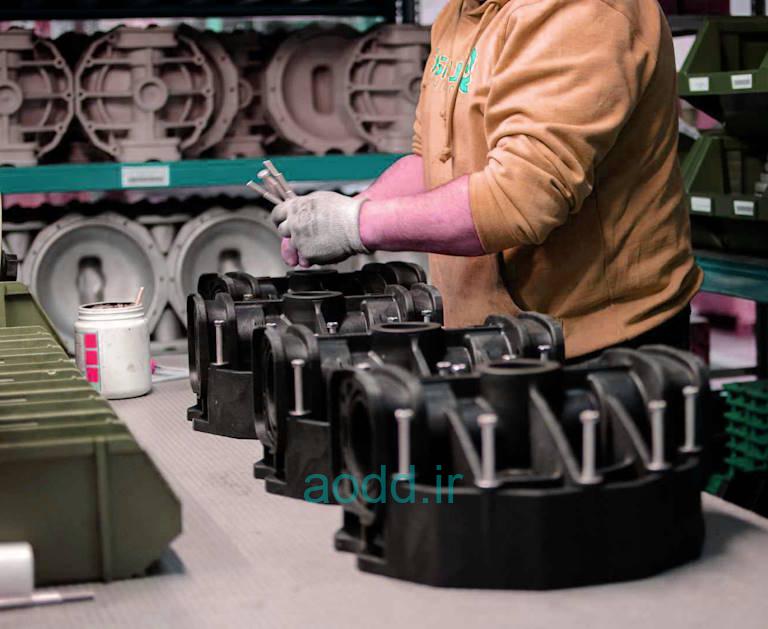 Quality Control Tools and Equipment
-
Gas pressure gauges and flow meters
-
Air Leak Sensor
-
Torque meters to monitor torque during installation
-
Automatic Cyclic Testing System
-
Cameras can detect welds or small leaks.
-
Data logger to record temperature, pressure, and cycle rate.
Standards and documents used
The quality control of pneumatic diaphragm pumps generally meets the following standards:
-
ISO 9001 : Quality Management System Requirements
-
ATEX Directive 2014/34/EU : Safety in Explosive Atmospheres
-
CE marking: meets European requirements
-
API 676 : Special Models for the Oil & Gas Industry
-
EN ISO 12162 : Performance Requirements for Hydraulic Equipment
Quality Control Documents
Upon completion of the quality control process, a set of documents will be prepared, which may include the following:
-
Final Performance Test Form
-
Build checklist
-
Material Certificate (MTC)
-
Explosion protection certificate (if required)
-
Serial number and production date
-
Leak test certificate
-
Quality Assurance Certificate (Release Notes/Quality Control Certificate)
Finally
Due to the uniqueness of pneumatic diaphragm pumps, they must undergo strict and systematic quality control. The quality of raw materials, assembly accuracy, performance tests and compliance with international standards are the most important factors for the production of reliable pumps. Although the initial costs of quality control can be high, in the long run it reduces downtime, extends the life of equipment and increases customer satisfaction.